Prospecting Operations Platform
Meetz (MarTech)
Overview
Unified B2B prospecting and lead qualification platform. Replaced Pipefy, Woodpecker, Apollo, Gmail and Pipedrive in one place.
Challenge
Solution
Process
Qualitative research, MVP definition, component creation, high-fidelity prototype, validation with stakeholders and users.
Results
MVP delivery, operational cost reduction.
Project Overview:
The project covered all stages of creating a platform that aggregates the functions of a lead generation company. It centralizes all information generated and used in the operation, sufficient for later use in decision-making and operational intelligence through the use of machine learning.
Problem Definition:
Due to the use of multiple platforms daily, information was lost due to lack of integration. When data collection was necessary, it was done manually, which led to excessive time spent and failures between handoffs.
Furthermore, due to the lack of process centralization, each employee did things their own way and held part of the information. Upon their departure, the information they held was lost.
Challenges:
Document the entire operation flow and suggest possible improvements;
Unify processes in a single location;
Develop an interface that is easy to learn and more attractive than existing solutions;
Metrics:
No-show/assertiveness; quality index; number of appointments; upsell/renewal; clients per BDR; time spent on tasks; errors.
Design Process:
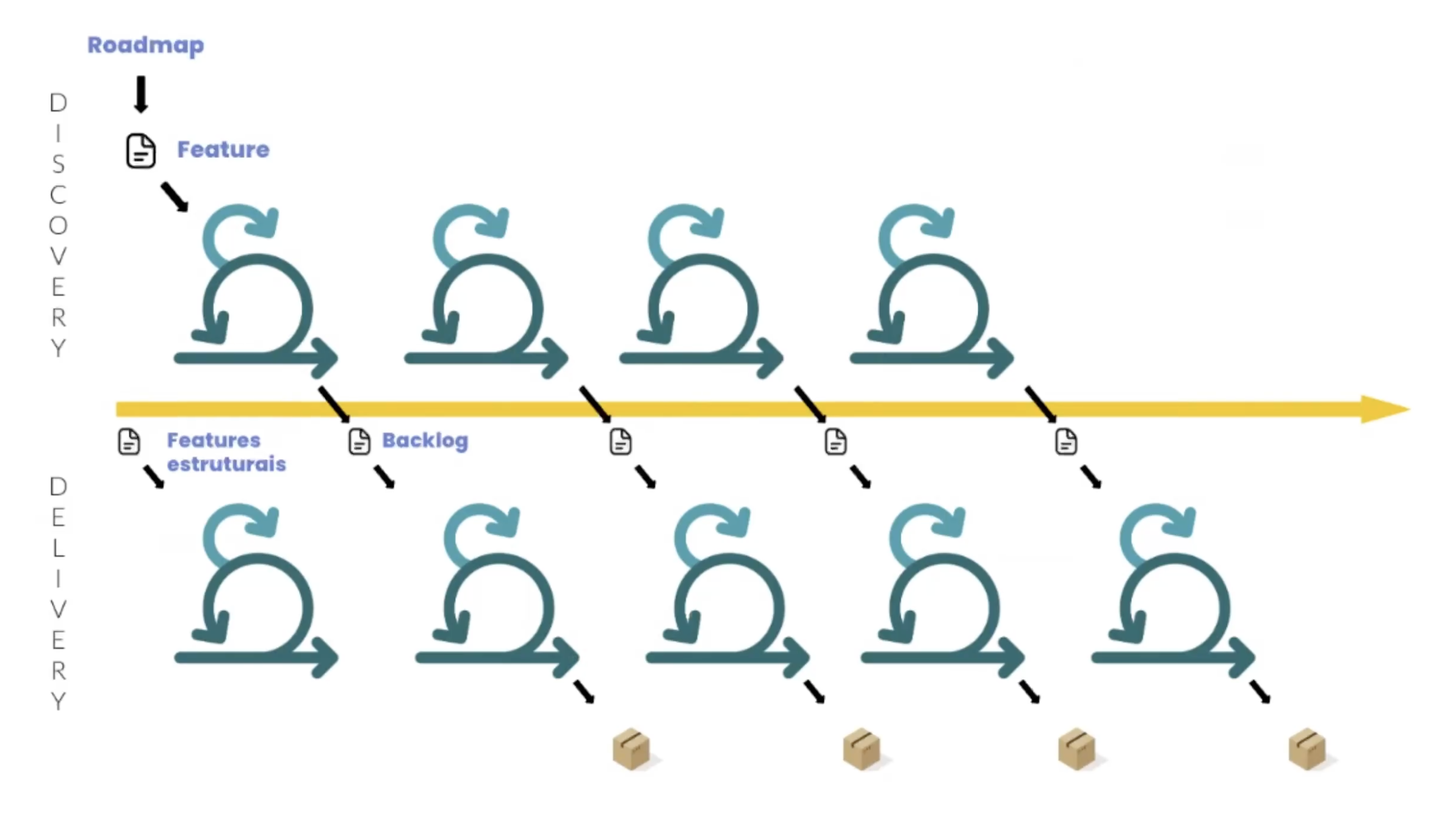
We used the Design Thinking methodology to guide the process. We followed the steps below to establish dual tracking, where the discovery process led ahead of development, and once a product feature was defined, it was handed over to development while discovery for a new feature began.
Discovery:
In the discovery phase, we used the following process:
Qualitative research
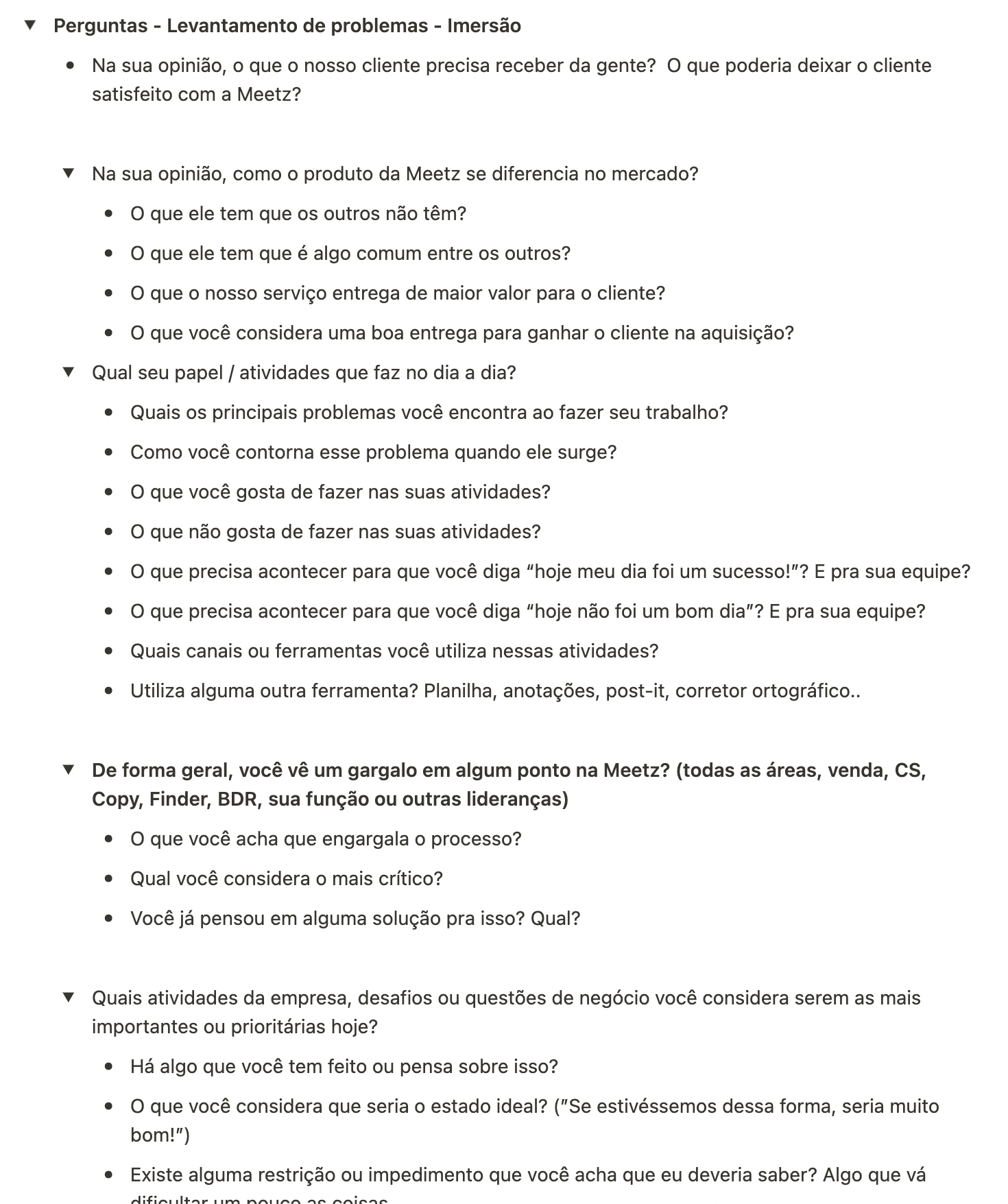
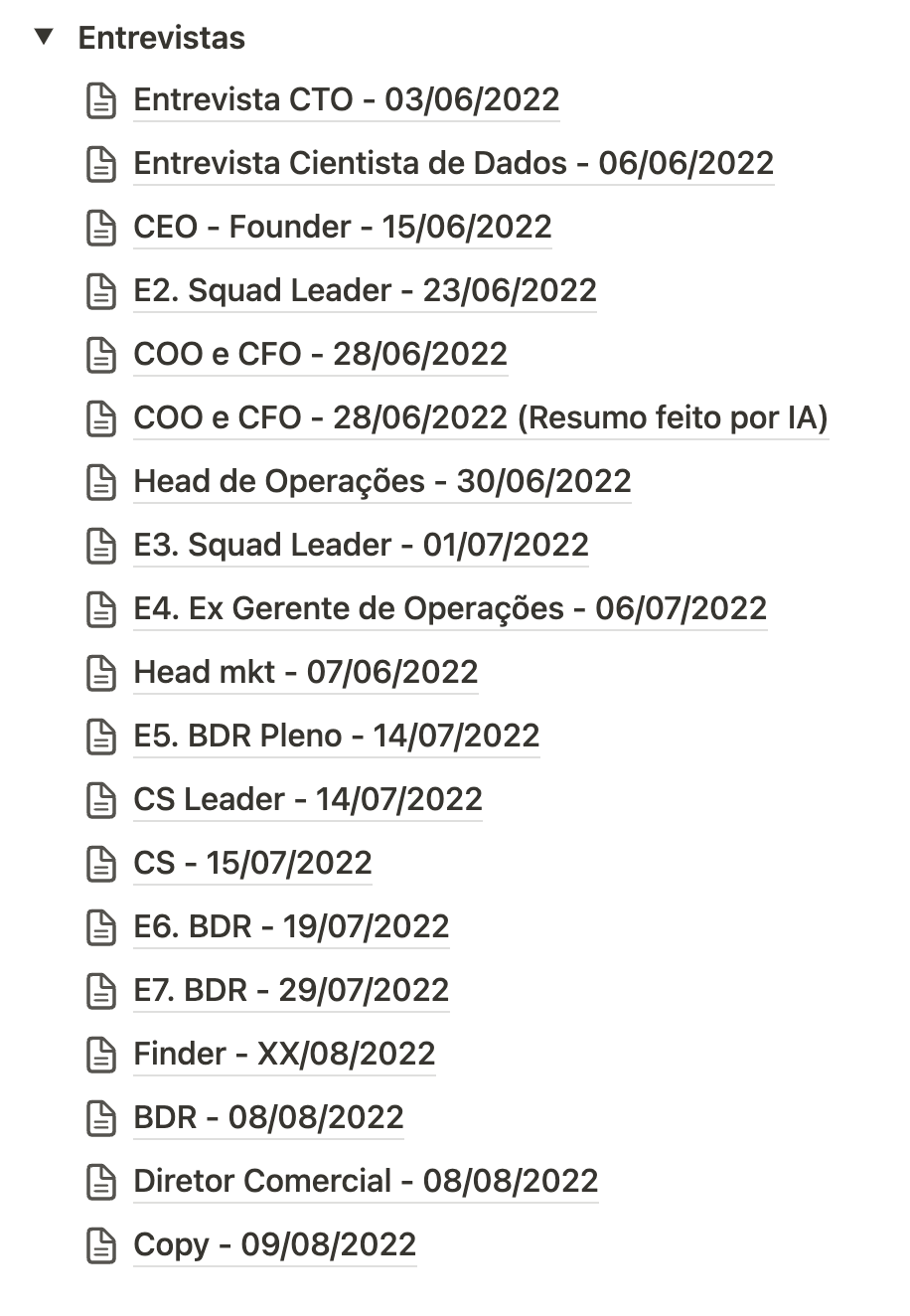
After initial problem presentation conversations, we defined which questions would be asked and began interviewing first the stakeholders, then leadership, and finally the actual operational staff.
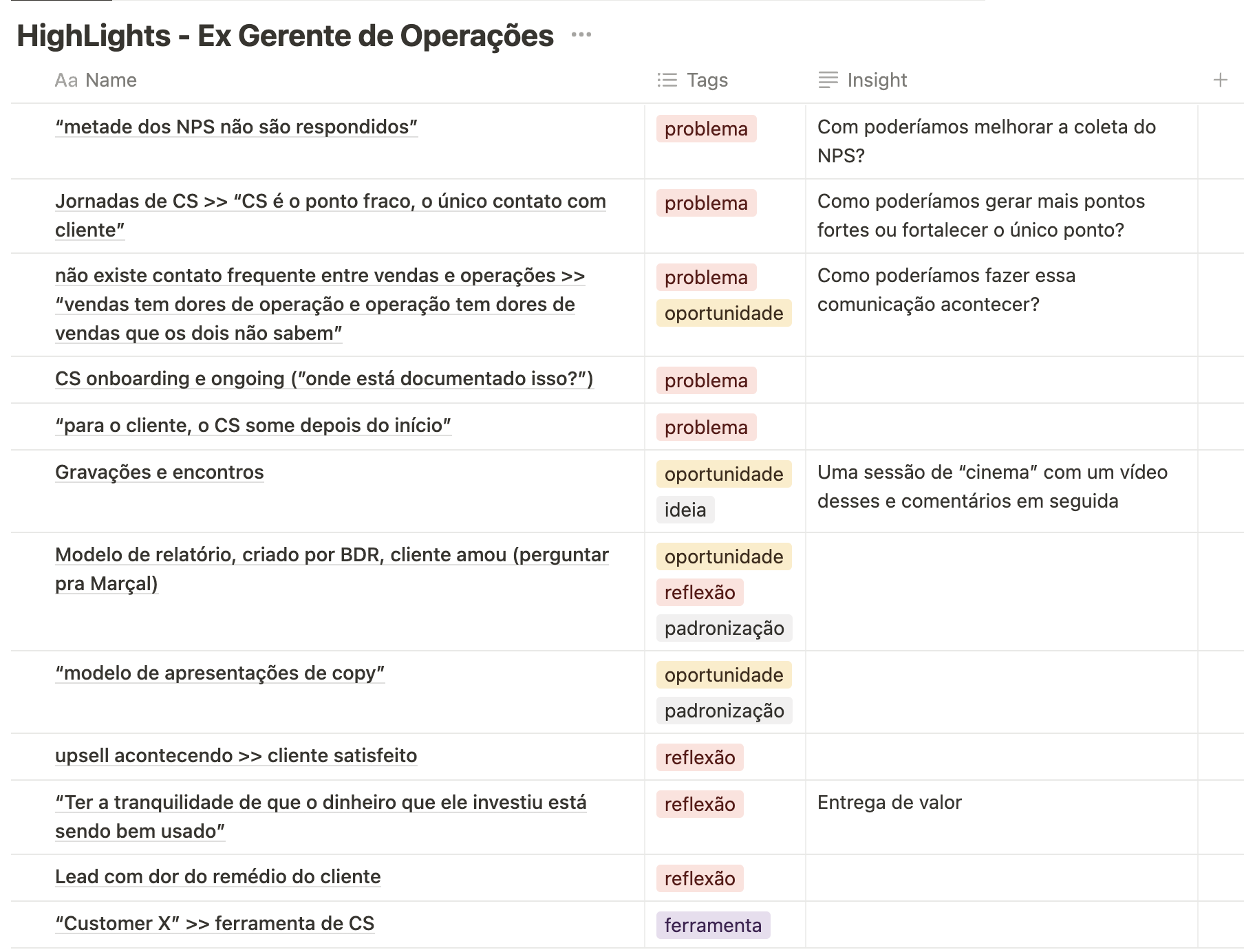
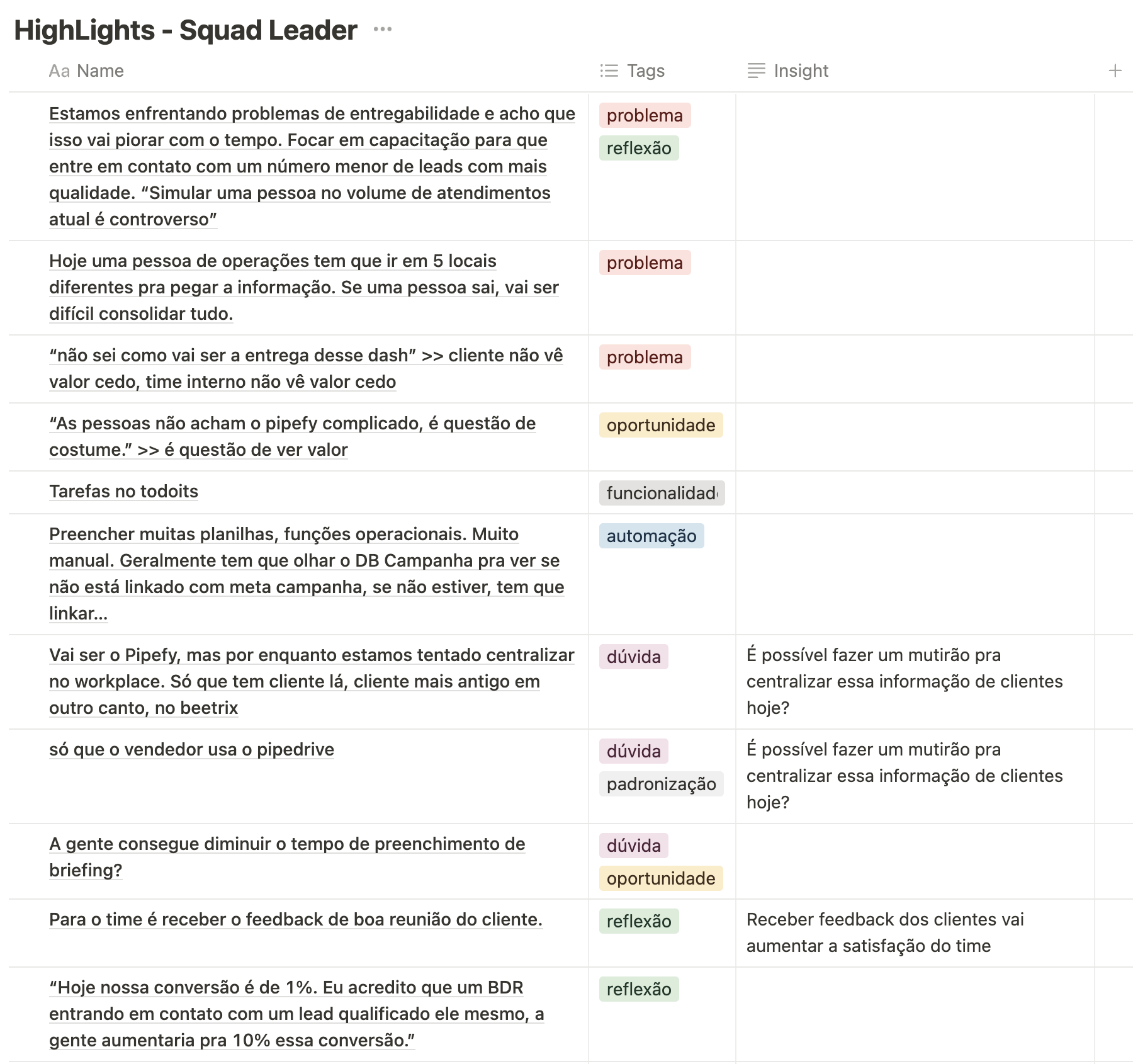
We generated a series of quotes about problems, innovation opportunities, standardization opportunities, ideas, features, doubts, needs, automation opportunities... we separated all this and generated a research report with the main points to present to stakeholders.
Definition and Ideation
Once we branched out into understanding the problem, we discussed what the next steps would be, which features would be developed first, what foundation we needed to develop, and by when: we defined our MVP.
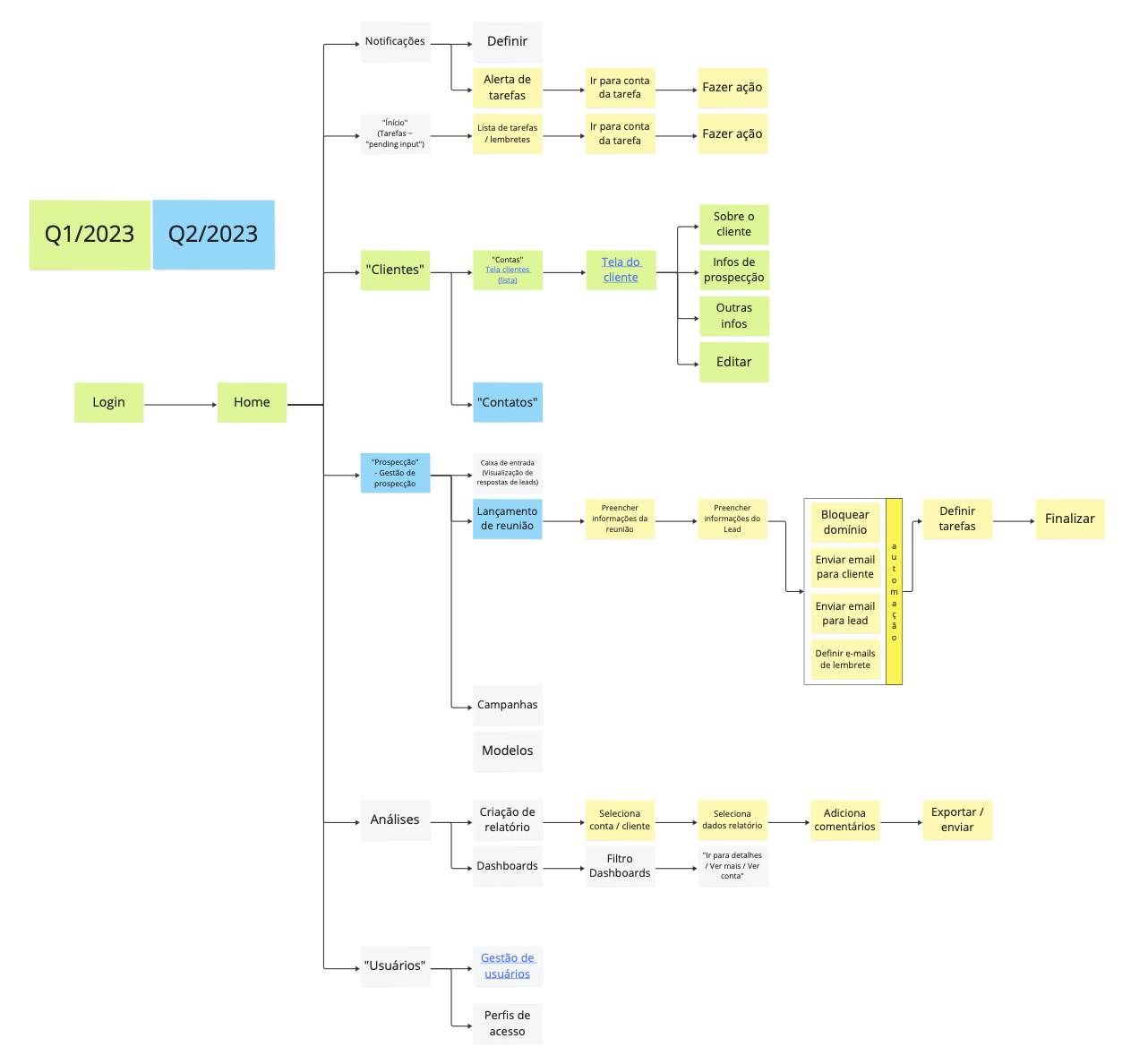
Design
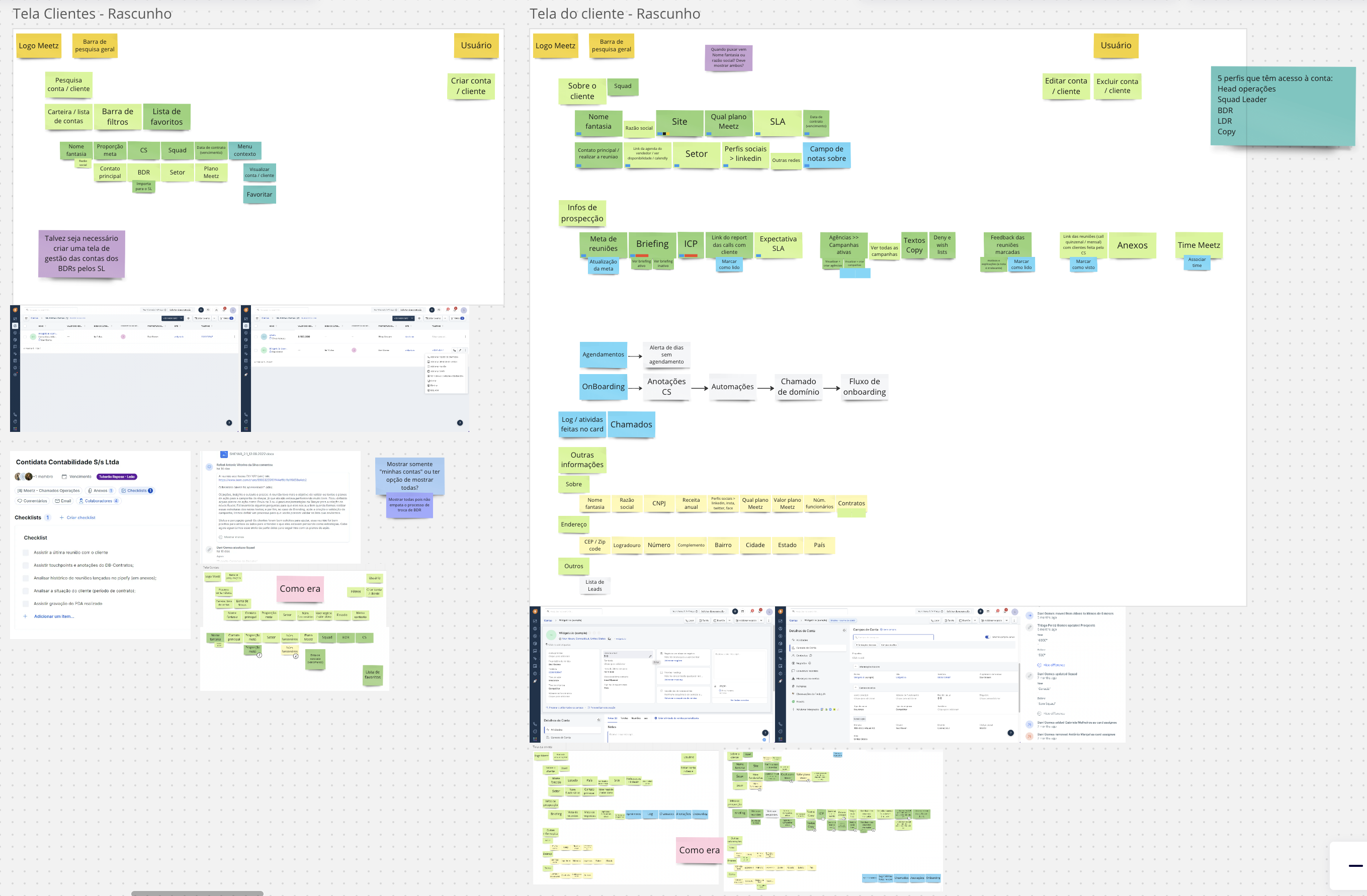
We followed the steps below in the design phase: Screen sketches in Miro, First validation, Component creation, High-fidelity prototype, Final validation.
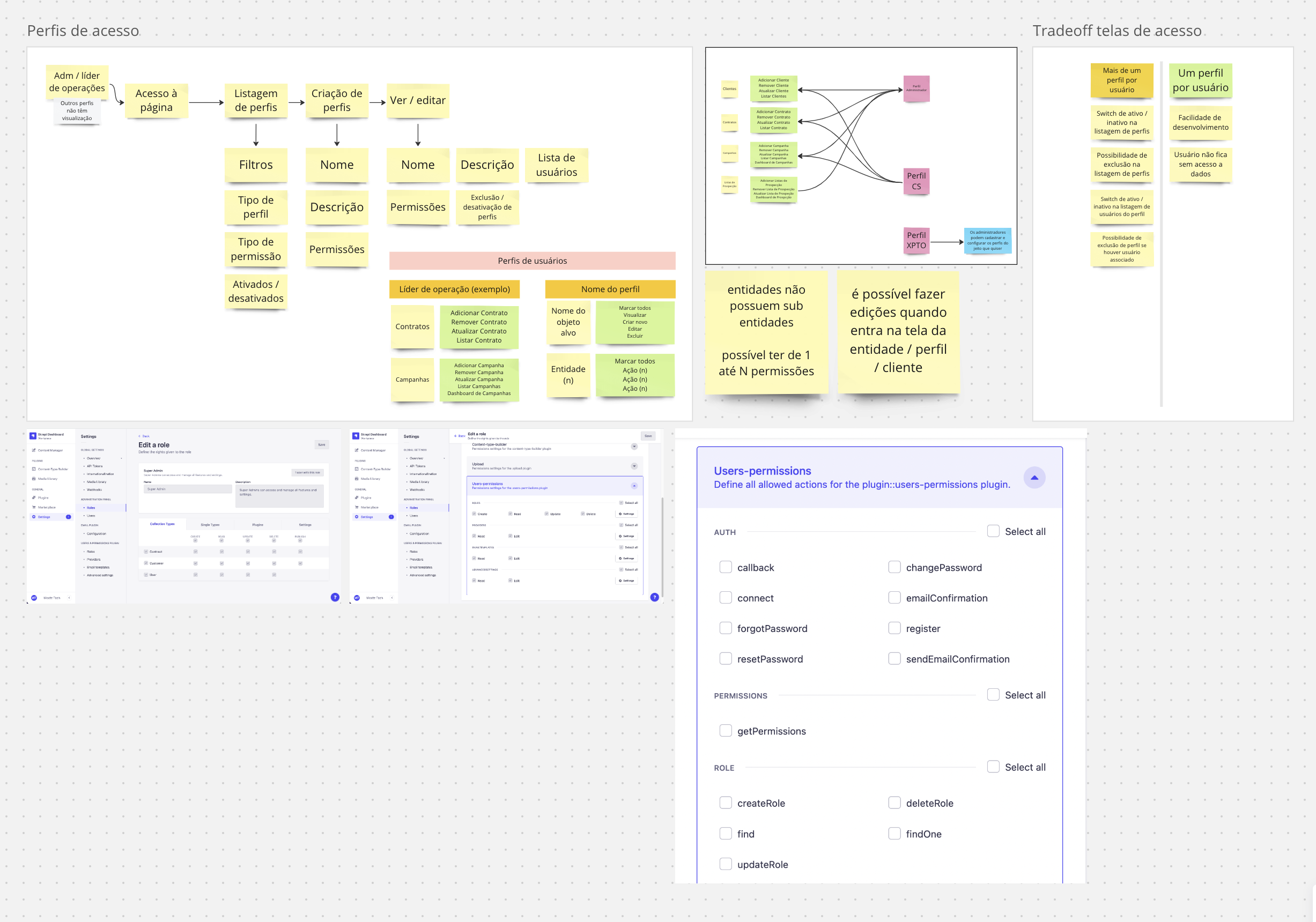
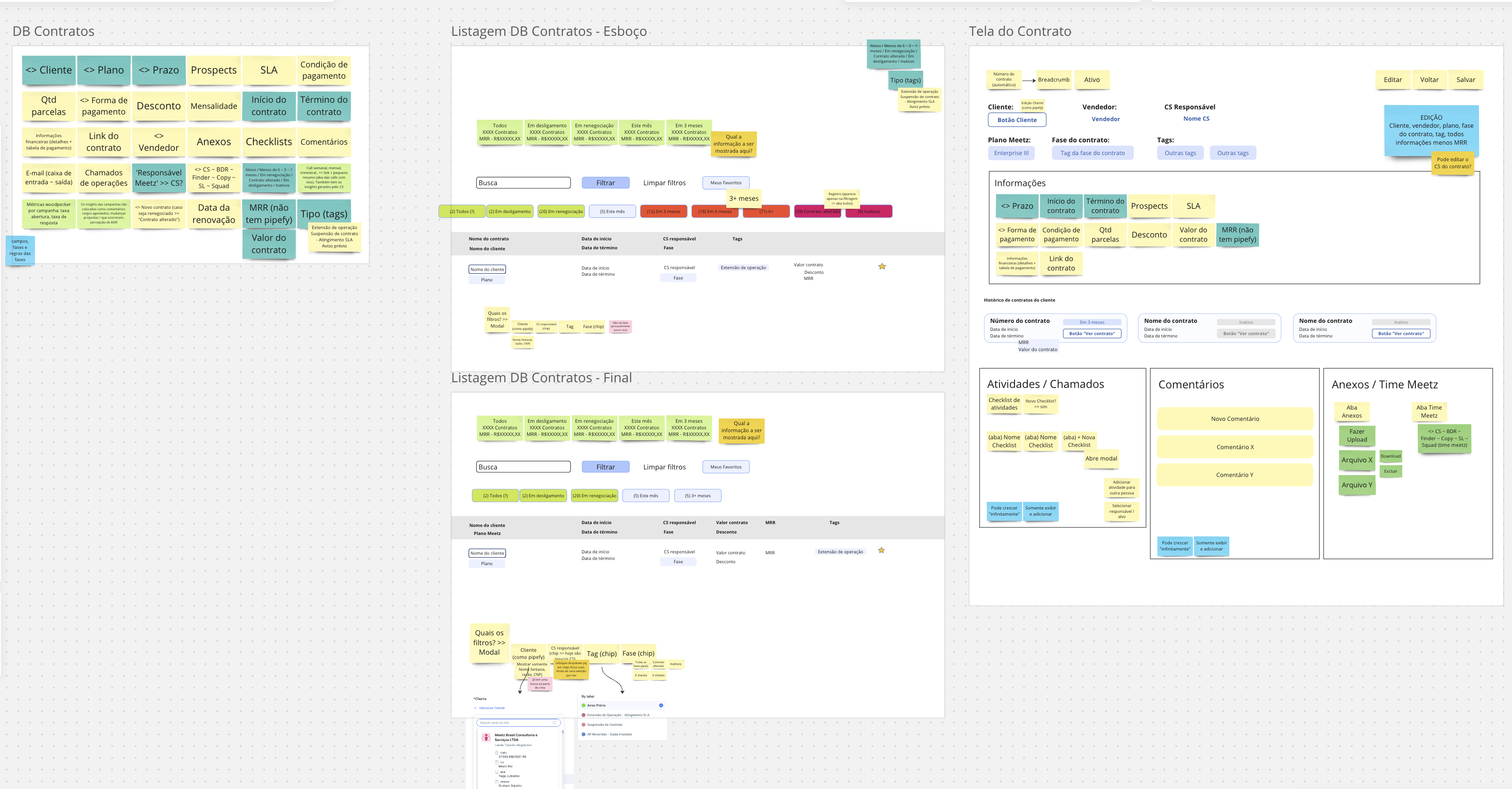
Screen sketches in Miro and first validation
Once the MVP was defined, we started thinking about page structure, validating with stakeholders and users.
Component creation
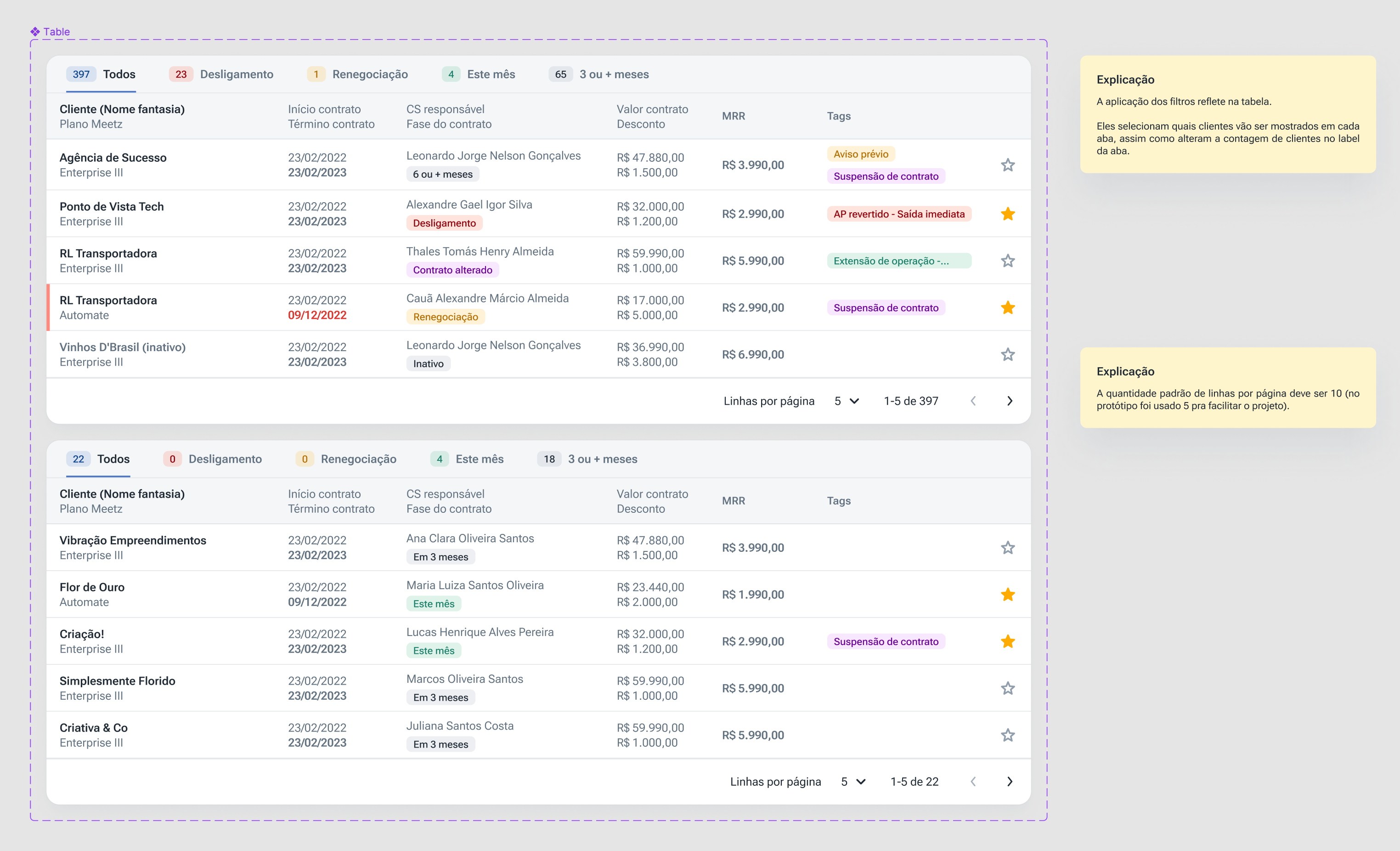
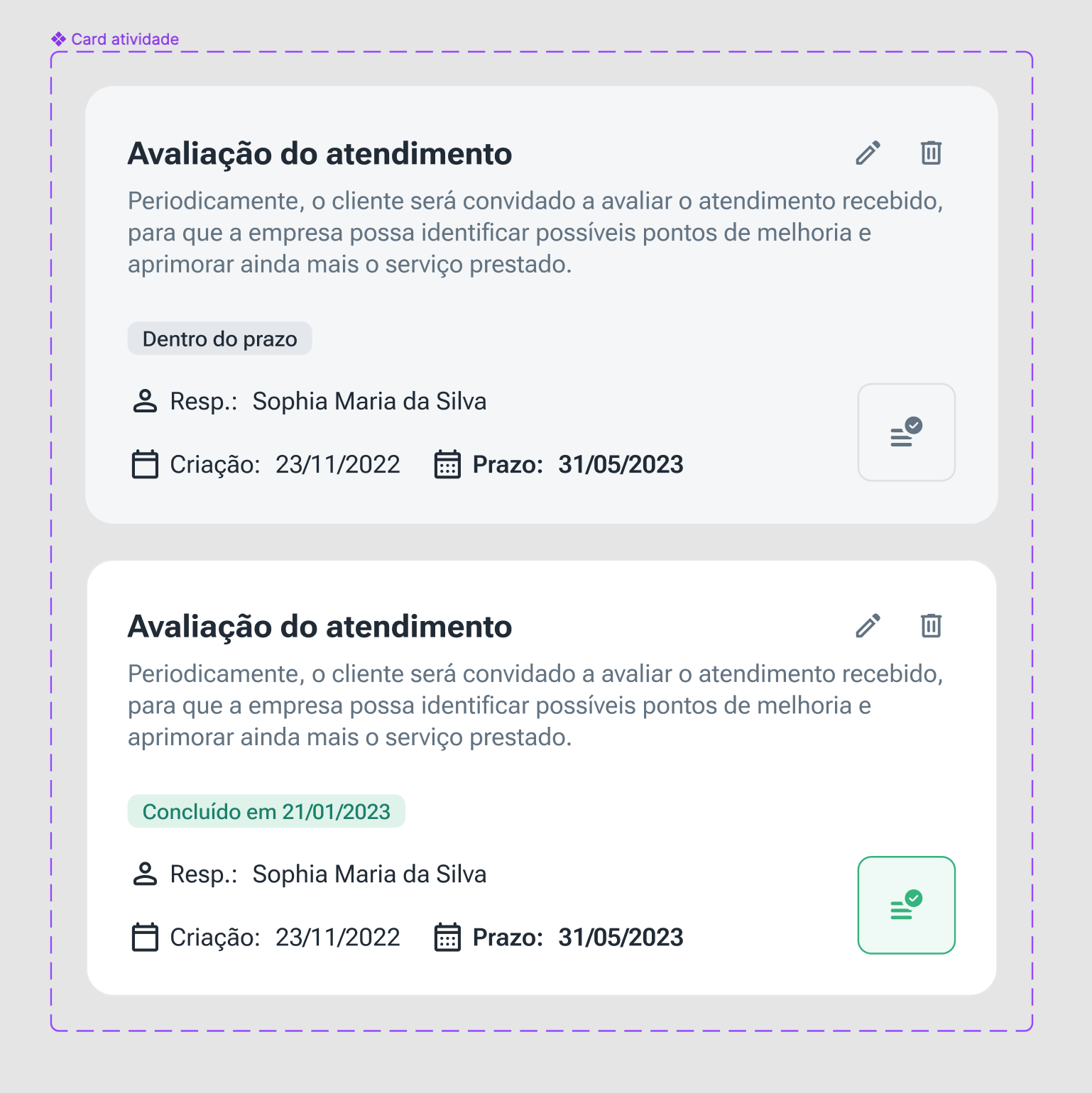
After defining what would go on each screen, we started by making the base components and then assembling them on the high-fidelity screen.
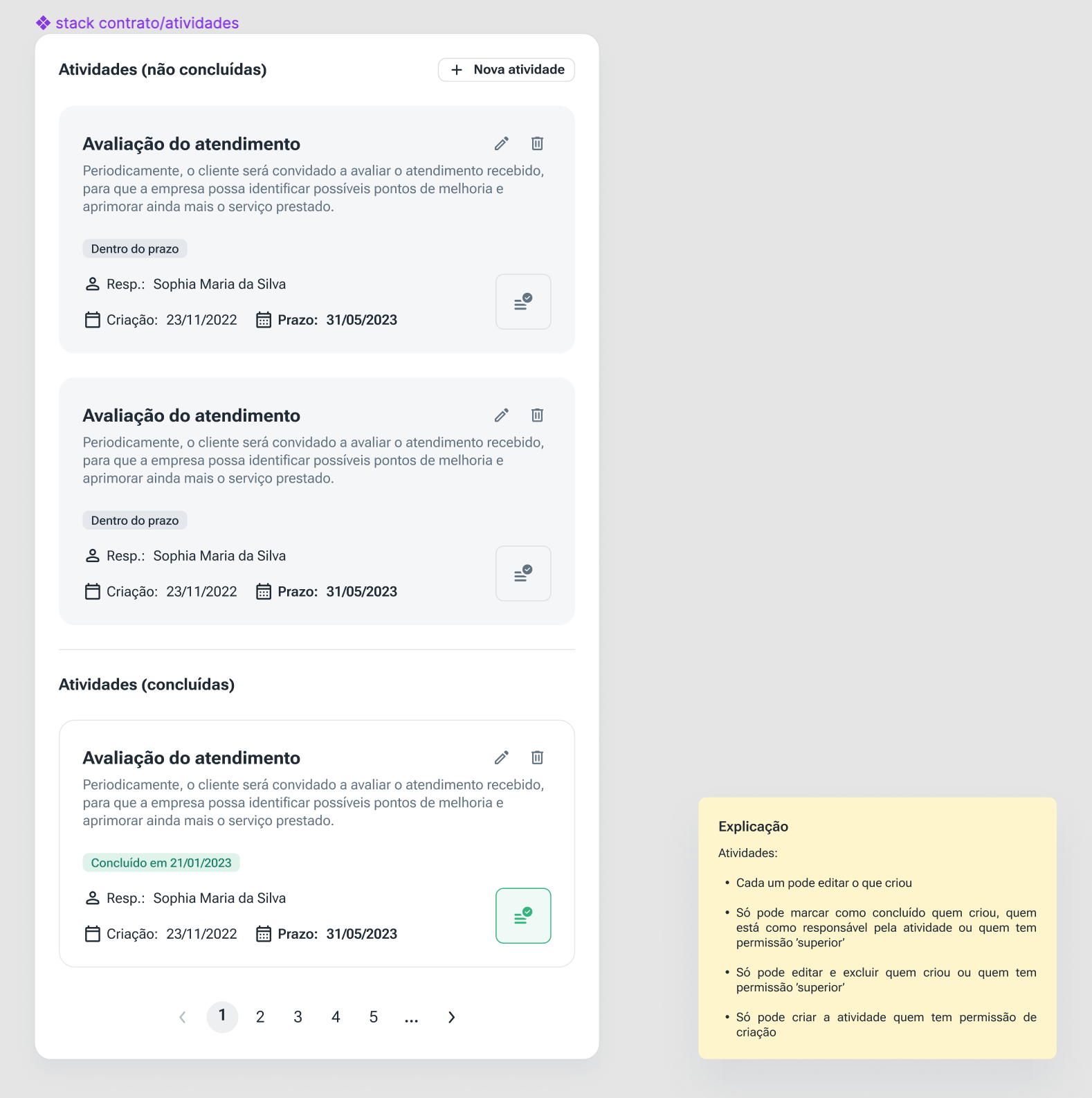
High-fidelity prototype
During the process of creating components and assembling pages with the final layout, we used a template based on MUI called Minimal UI.
Using the template accelerated front-end development, since only a few minor modifications were necessary to adapt its look to the company's.
Final validation
Once the final screens were ready, they underwent new validation with stakeholders and the development team before entering the development backlog.
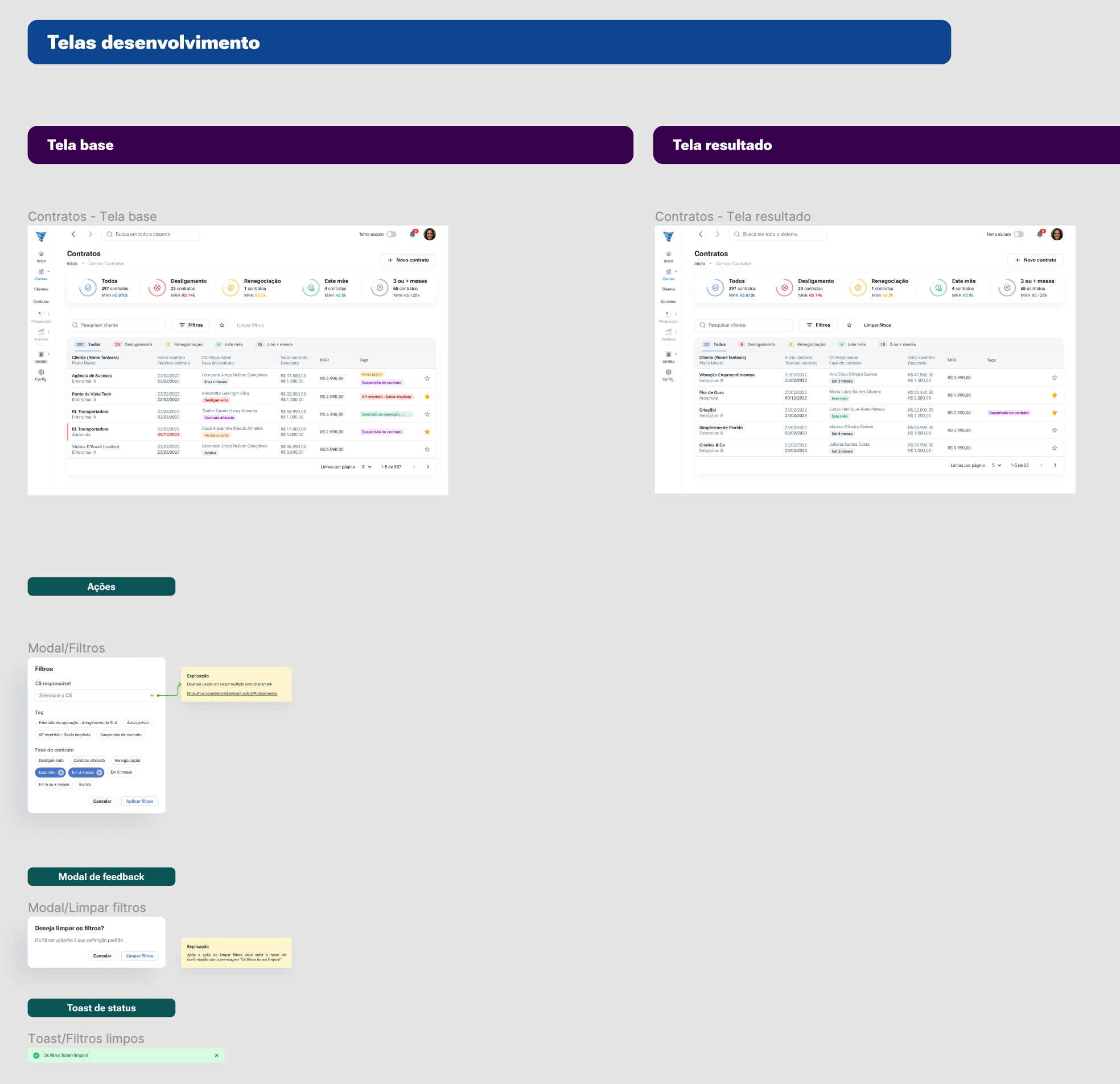
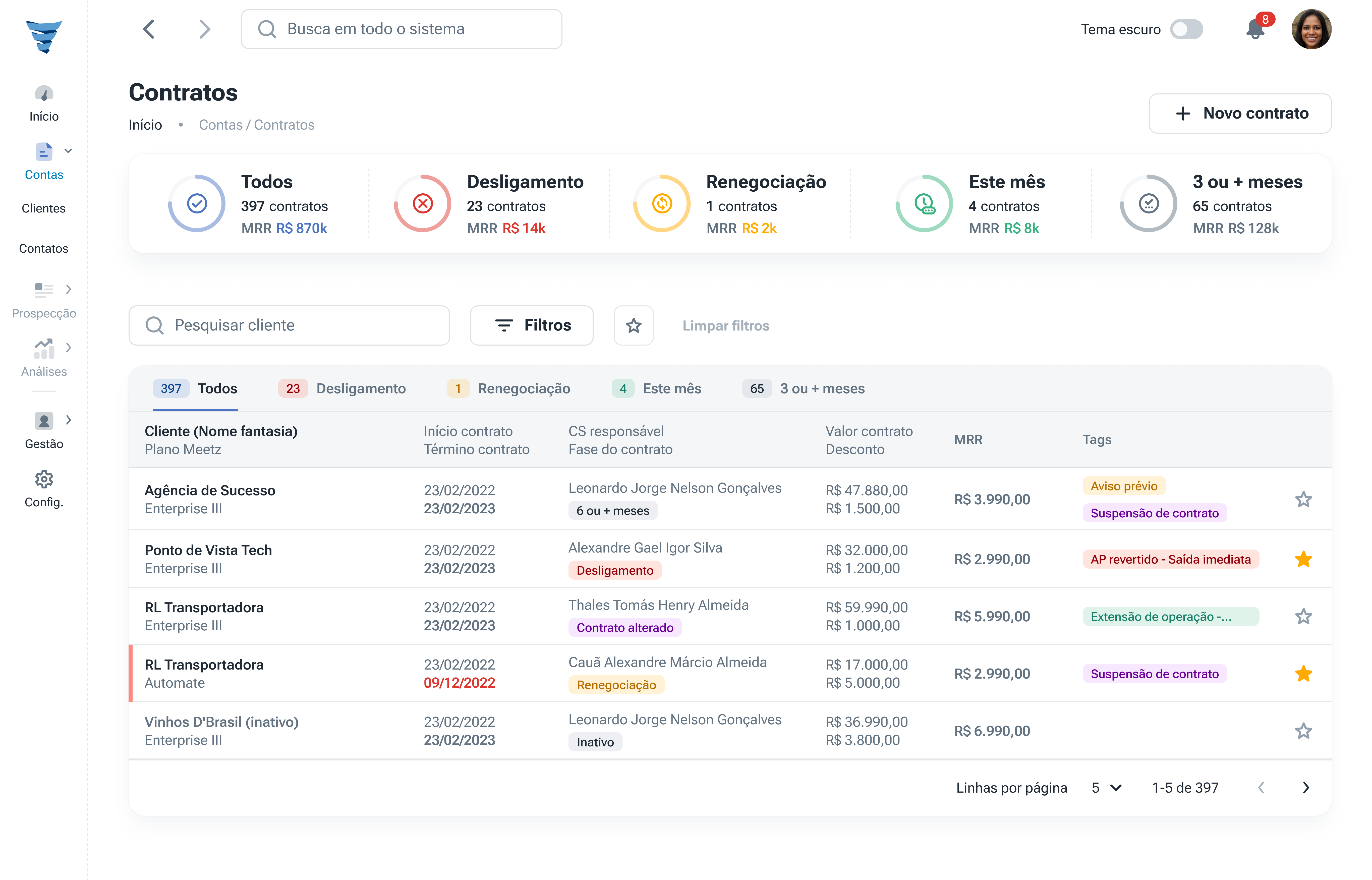
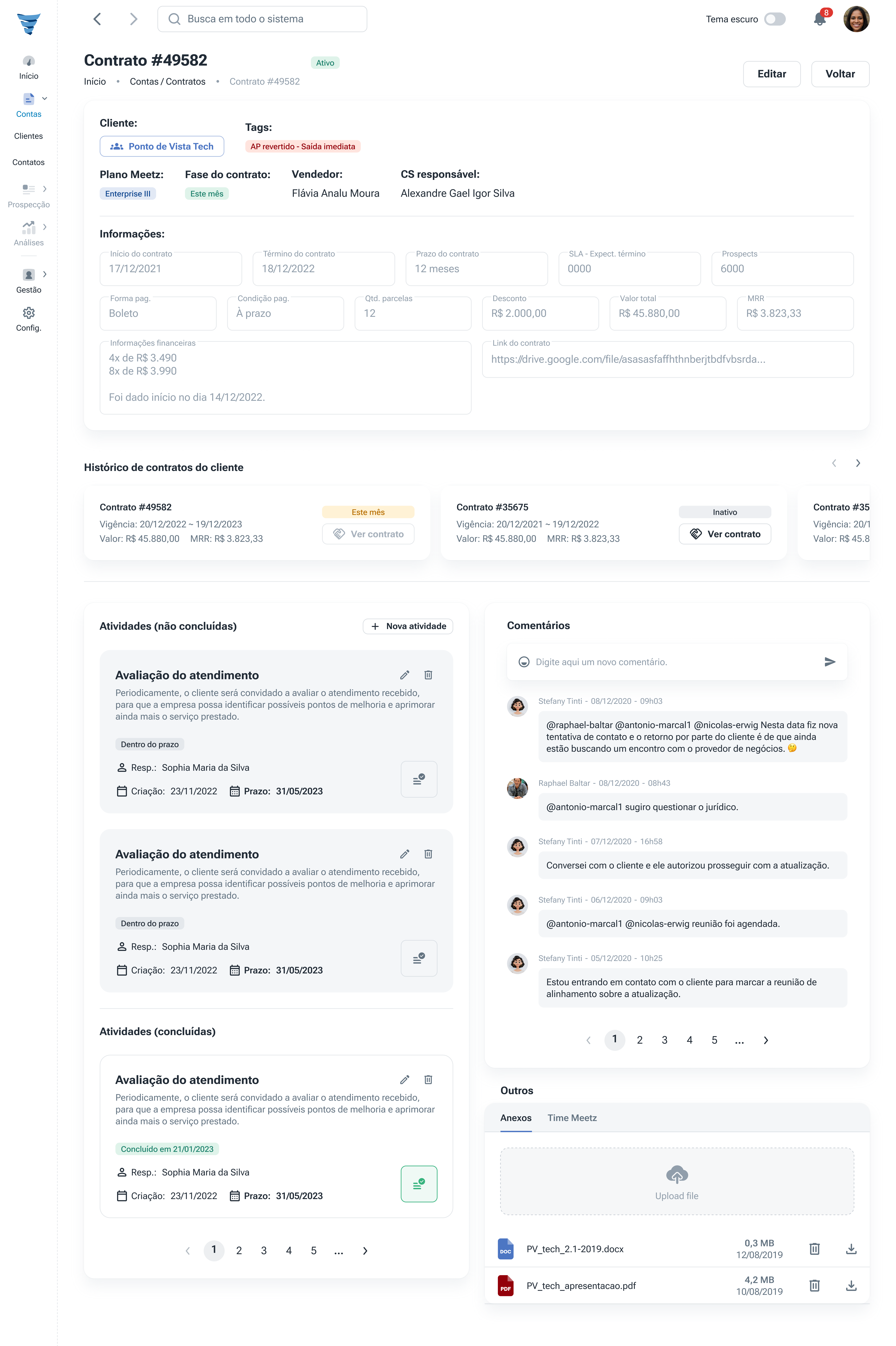
Here are two examples of UI from the contracts section:
Conclusion
The project helped me intensely practice some skills necessary to become a good product designer.
Gallery